
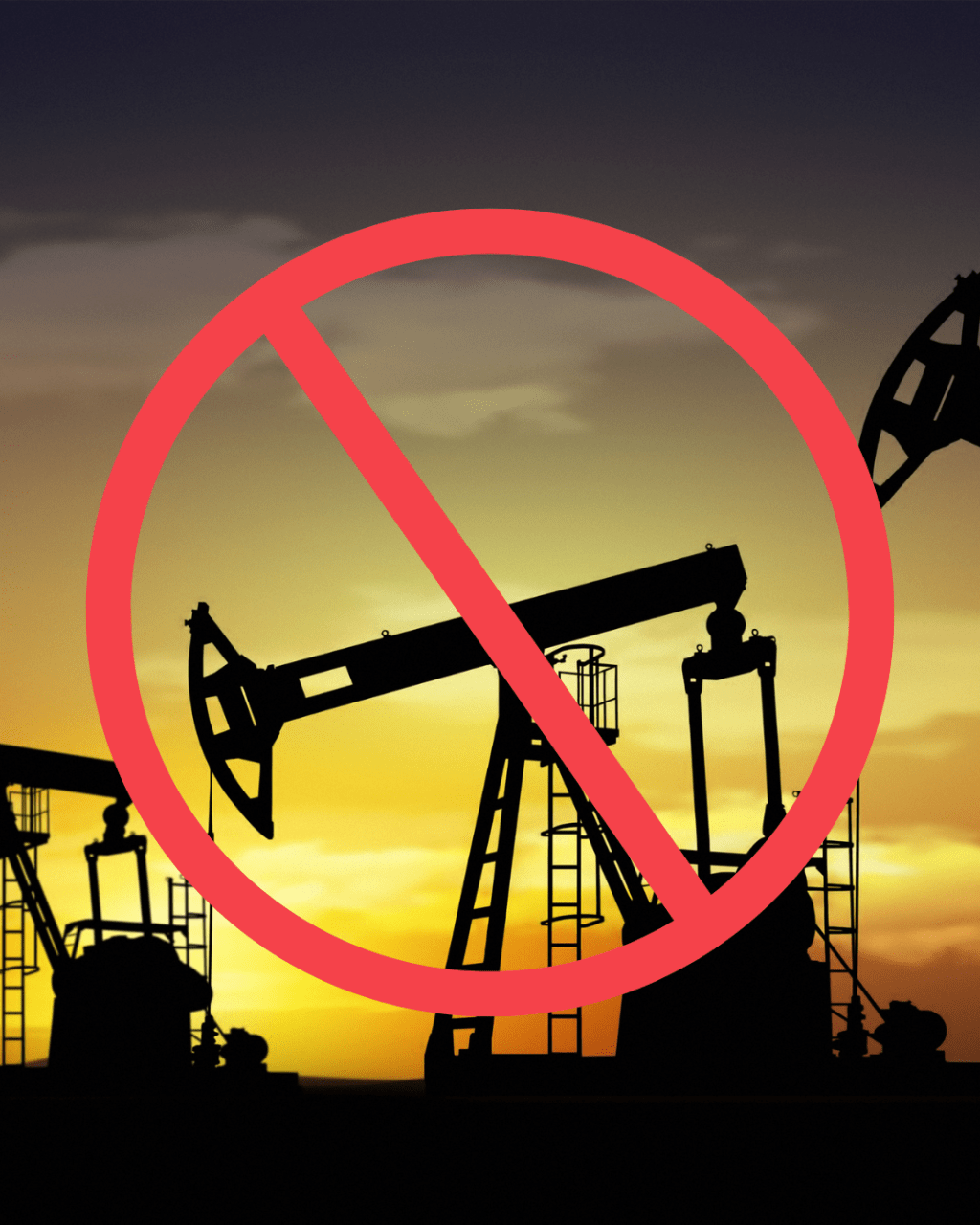
Drill Baby Kill: The Hidden Cost of Energy Policy on Mental Health
When Donald Trump won the 2024 election, he stunned the nation by securing both the popular vote and the Electoral College. Many of his supporters genuinely believe he will bring manufacturing back to America, tackle the toxins in our food system (by appointing RFK Jr.), lower the cost of necessities, and make our cities safer—all while addressing the drug epidemic. These are valid and necessary systemic changes that resonate deeply with many Americans, particularly those struggling under the weight of economic insecurity.
But not every policy on Trump’s agenda aligns with these goals. One glaring contradiction lies in his push for expanded drilling.
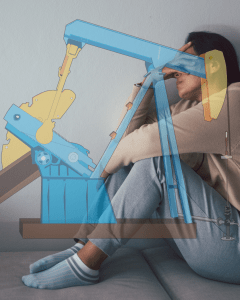
Gas prices have become an unbearable burden for many families. For young people, especially, every fill-up feels like a financial punch in the gut. The cost of living is skyrocketing, college debt is crushing, and homeownership is slipping out of reach. For our parents, a degree was a ticket to a stable job, a house, and a future. For us, it’s student loans, unaffordable housing, and constant economic uncertainty.
Drilling may seem like a quick fix or a straightforward solution to lower energy costs and ease the financial strain. After all, energy fuels production, which can, in turn, lower prices. But the hidden costs of drilling are enormous, particularly for younger generations.
The process of drilling releases harmful chemicals into our air and water releasing volatile Organic Compounds (VOCs) like benzene, toluene, and xylene (just to name a few of the pollutants released during the process). These chemicals are known to cause respiratory issues, neurological disorders, and even cancer. What’s less discussed, but equally alarming, is their impact on mental health.
Long-term exposure to VOCs has been linked to increased oxidative stress and inflammation in the brain, which are major contributors to anxiety and depression. Studies show that communities living near drilling sites often experience higher rates of psychological distress. Young people, who are already navigating a mental health crisis, bear the brunt of these consequences.
In California, one of the most environmentally conscious states, the only acknowledgment of these dangers is a Prop 65 warning label—a sign that warns us of exposure but does nothing to mitigate the risks. For many, there’s no choice but to live, work, and breathe in these contaminated environments.
Trump’s focus on drilling directly undermines his promise to make our cities safer and reduce toxins in our environment. What good is cheaper gas if the air we breathe and the water we drink are poisoned? How can we lower the cost of living when the long-term price is a sicker, less productive population?
If Trump truly wants to secure a better future for America, he should prioritize policies that align with the very values he campaigned on. Investments in renewable energy, for example, would not only reduce our reliance on drilling but also create American jobs, lower long-term energy costs, and significantly decrease the health risks tied to pollution.
Some argue that drilling can be done “safely.” But these claims often come from industry-funded studies or entertainers’ opinions—not science. Corporate interests have long downplayed the dangers of VOCs and other pollutants, lobbying to weaken regulations and prioritize profits over public health.
The truth is, drilling is inherently unsafe. It pollutes our air, degrades our environment, and leaves communities to bear the costs in the form of poor health and shorter lifespans. Pretending otherwise only delays the inevitable reckoning.
Drilling may solve today’s problems, but it creates far greater ones for tomorrow. For young people like me, the true cost of this policy will be borne for decades. A revolutionary leader would take the long view by investing in renewable energy, fostering sustainability, and ensuring the health and safety of future generations.
If Trump wants to live up to his promises, he needs to abandon short-sighted solutions like drilling and embrace bold, forward-thinking policies. If nothing changes, my generation will continue to inherit the weight of past generations’ mistakes.
- Oil Rig in Los Angeles California.
Read the Research:
- https://www.sciencedirect.com/science/article/pii/S0147651324010145
- https://academic.oup.com/eurpub/article/34/Supplement_3/ckae144.490/784443
- https://oehha.ca.gov/proposition-65/about-proposition65#:~:text=What%20is%20Proposition%2065%3F,defects%20or%20other%20reproductive%20harm.
- https://ajph.aphapublications.org/doi/full/10.2105/AJPH.2024.307730
- https://www.nature.com/articles/s41598-018-29747-2
- https://www.sciencedirect.com/science/article/pii/S1438463922000451
- https://pmc.ncbi.nlm.nih.gov/articles/PMC5010393/
- https://www.thelancet.com/journals/lanpub/article/PIIS2468-2667(17)30194-9/fulltext
- https://www.sciencedirect.com/science/article/pii/S0925753521003301
- https://pmc.ncbi.nlm.nih.gov/articles/PMC6344296/
- https://pmc.ncbi.nlm.nih.gov/articles/PMC4469339/
- https://ehjournal.biomedcentral.com/articles/10.1186/s12940-016-0140-1
- https://www.nature.com/articles/s41370-023-00589-z
- https://www.mdpi.com/2313-576X/9/3/56
 Out of Focus