
A Gen Zer and a Dream to Bring Mental Illness Prevention Into Focus by Traveling to an International Conference
Written By: Aly Vredenburgh 8/15/2024
As I reflect on my recent experience at the International Conference on Public Health in Bangkok, Thailand, I am filled with a sense of purpose and responsibility. The opportunity to speak at such a prestigious event was not only an honor but also a critical platform to address an issue that has been central to my work: the mental health crisis faced by Generation Z.
Public health is often viewed through the lens of physical health—disease prevention, vaccination campaigns, and sanitation initiatives. However, mental health is an equally important aspect of public health that should not be overlooked. The mental health crisis among young people, particularly within Generation Z, is a public health emergency. It demands the same level of attention and resources as any other crises.

Why Bangkok?
When I was accepted to present at the conference in Bangkok, I knew this was a chance to elevate the conversation about mental health crisis prevention to a global stage. Bangkok, with its rich cultural heritage and vibrant community of health professionals, provided the perfect backdrop for discussing the systemic root causes of mental health issues and innovative solutions needed to address them.
In my presentation, “Advancing Generation Z’s Mental Health: The Spectrum of Systemic Root Causes of the Mental Health Crisis and Innovative Solutions,” I explored the various disparities and systemic factors that contribute to Gen Z’s struggle with anxiety and depression. These disparities—ranging from socioeconomic inequality to access to mental health services—are complex and deeply rooted in our societal structures.
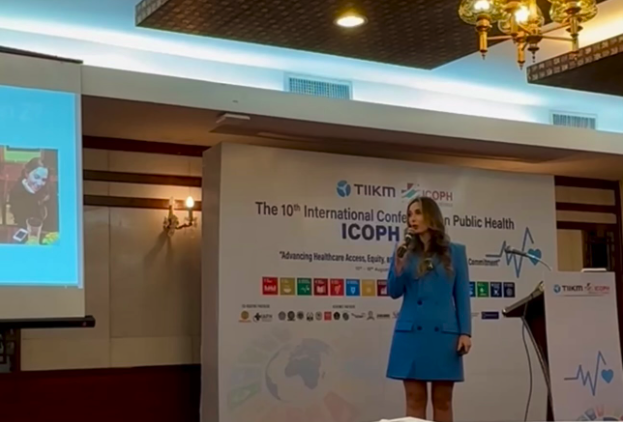
I emphasized that the mental health crisis is not just a clinical issue but a systemic one. Prevention must be at the heart of our public health strategies, with a focus on proactively addressing the underlying causes rather than reactively just focusing on the symptoms. By integrating mental health into the broader public health agenda, we can create a more holistic approach to health that benefits everyone.
The response to my presentation was overwhelming. It was clear that there is a growing recognition of the need to prioritize mental health within public health frameworks. But awareness is just the first step. We must continue to advocate for innovate, systemic policies and practices to tackle this complex problem. This means investing in mental health education, increasing access to care, and addressing the societal factors that contribute to mental distress.

As I return from Bangkok, I am more committed than ever to bringing mental health crisis prevention into public health conversations. The connections I made and the insights I gained at the conference have reinforced my belief that this work is not only necessary but urgent. Together, we can create a future where mental health is treated with the same importance as physical health, and where every young person has access to the support they need to thrive.
 Out of Focus