
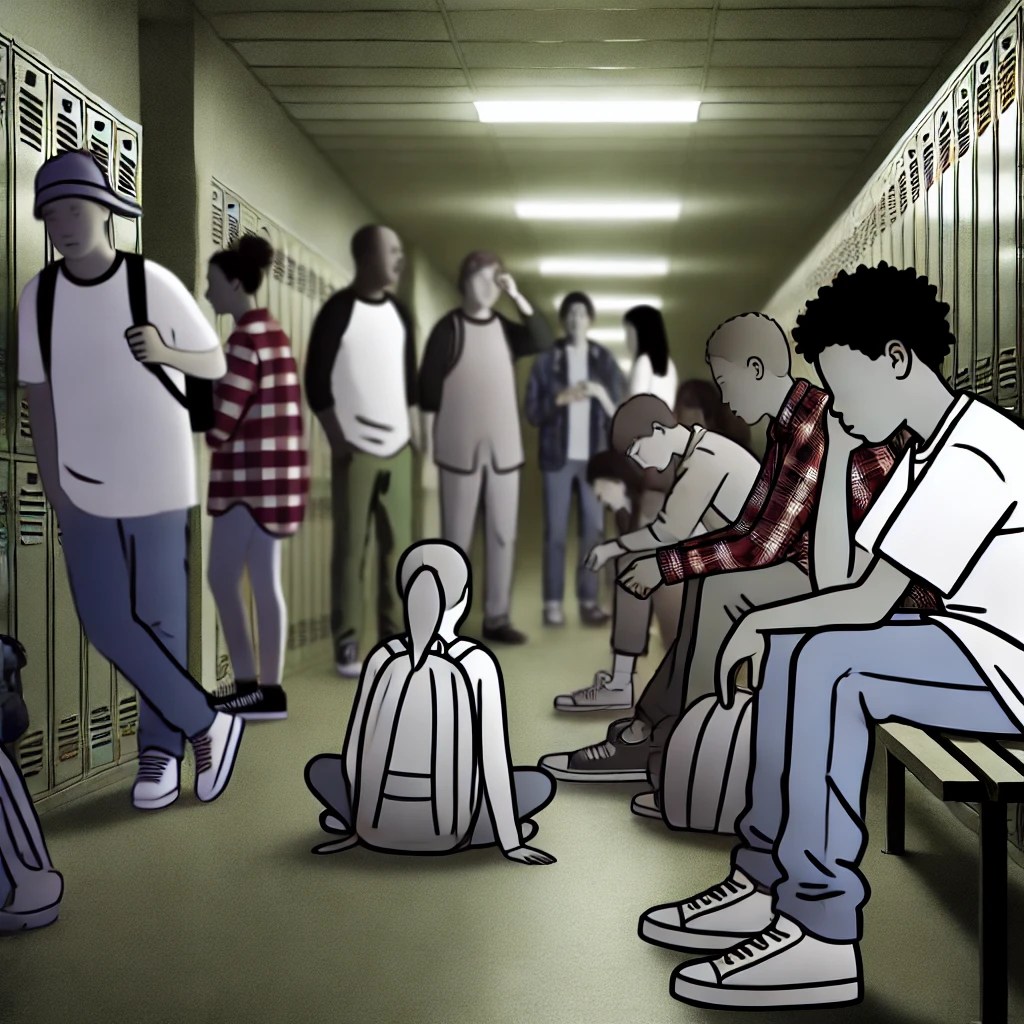
Schools Desperately Need More Mental Health Providers
The mental health crisis among young people has been escalating, a trend made even more evident by the COVID-19 pandemic. Schools are on the frontlines of addressing this issue, but they lack the critical resources needed to meet the growing demand, particularly when it comes to school psychologists. These professionals are essential to identifying and addressing the mental health needs of students.
Currently, the U.S. has a major shortage of school psychologists. On average, there is just one psychologist for every 1,127 students in K-12 schools, far short of the recommended ratio of one per 500 students. This shortage is even worse in rural areas and southern states. For example, in Mississippi, there is only one school psychologist for every 9,292 students, and in New Mexico, the ratio is a staggering 19,811 to one.
The impact of this shortage is profound. Students across the country are facing increased rates of depression, anxiety, and suicidal thoughts. In 2021, 42% of high school students reported feeling persistently sad or hopeless, with that number jumping to 69% among LGBTQ+ students. Beyond that, the CDC found that at least 22% of teens have seriously considered suicide recently. Meanwhile, educators report that younger students are showing more signs of emotional and behavioral dysregulation, making the need for mental health support even more urgent because treating illness early on is imperative to prevent lifelong disability.
Despite the overwhelming need, school psychologists are stretched thin, often overseeing thousands of students. Their caseloads make it nearly impossible to provide the comprehensive mental health care that schools desperately need. The burnout rate for school psychologists is high, with many feeling overwhelmed by the sheer volume of students needing services. Additionally, political challenges in some states, like bans on teaching social-emotional learning, further complicate the work of school psychologists.
To address this shortage, there have been some efforts to increase the number of school psychologists through federal funding and initiatives like “grow your own” programs that recruit local educators to train as school psychologists. Programs like these offer flexible, part-time training options that allow professionals to continue working while they earn their credentials. While this is a first step, ultimately it is up to school districts across the nation to start allocating resources towards ensuring students have access to proper care.
Ultimately, schools need more mental health professionals to address the diverse and growing needs of students. Increasing support through paid internships, stipends, and improving working conditions can help attract and retain more professionals in the field. By investing in training programs, providing financial incentives, and creating better working environments, schools can ensure that more students receive the support they need.
Written by Aly Vredenburgh
Published September 2024
 Out of Focus